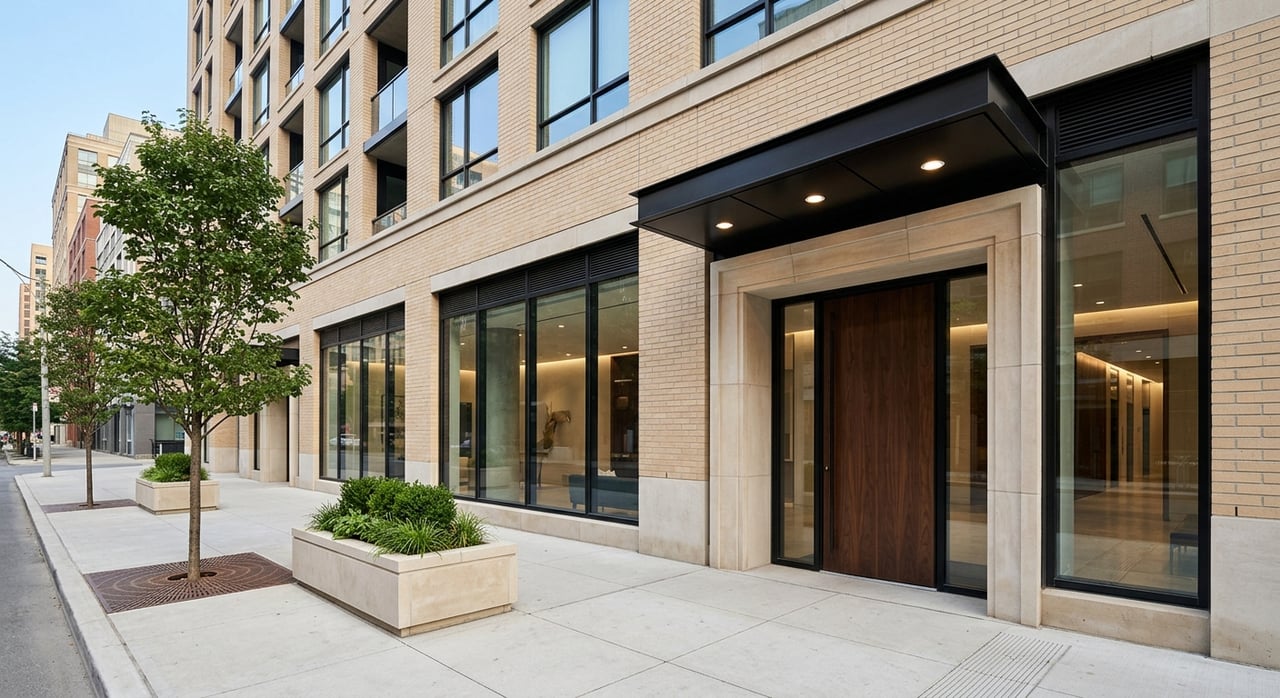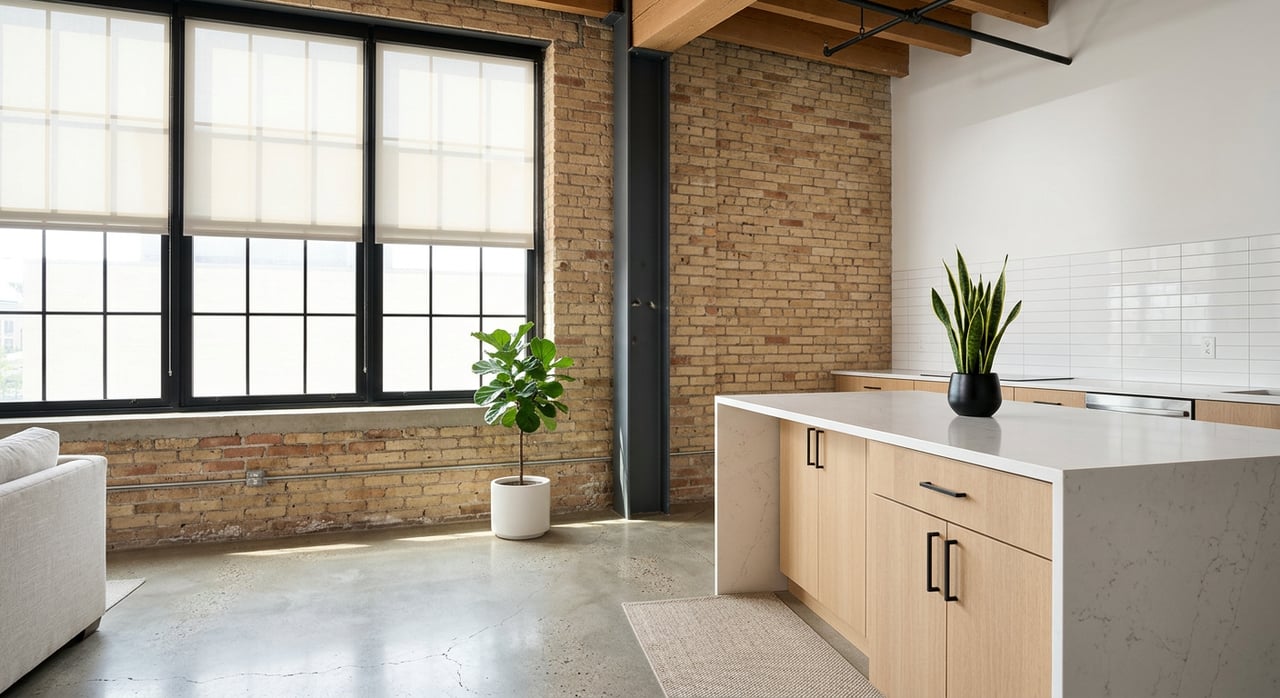
Thinking about a West Loop condo this year and wondering what the numbers really say? You are not alone. Buyers want to know how far their dollars stretch, and sellers want a clean plan to price and prepare. In this guide, you’ll see current pricing, inventory, timing, and the exact steps to act with confidence in today’s balanced market. Let’s dive in.
West Loop prices now
If you look at neighborhood snapshots, the West Loop condo market sits in the mid-to-upper $400s on median price. Depending on the source and time window, the median sale price lands around $495,000 (Realtor.com, Dec 2025) to about $535,000 (Redfin, most recent month snapshot). Median price per square foot trends near $380 to $390 per square foot (Redfin, recent snapshot). Listing activity in a recent period showed roughly 120 active listings (Realtor.com, Dec 2025).
What should you make of the spread? Providers use different neighborhood boundaries and rolling date ranges. Always pair these snapshots with a building-level comp set before you set a budget or price.
Inventory and timing
A practical way to read market pace is Months of Inventory, often called Months of Supply. You can approximate it with a simple equation:
- MOI = active listings ÷ average monthly closed sales.
- Example using public snapshots: 120 active listings (Realtor.com, Dec 2025) divided by about 30 closed sales in the most recent month (Redfin, recent solds) equals roughly 4.0 months of supply.
What does that mean for you? Under about 3 months often favors sellers, 3 to 6 months is typically balanced, and above 6 months can favor buyers. At around 4 months, West Loop conditions read as balanced overall, with faster or slower pockets by price band and building.
Days on market and competition
Neighborhood snapshots show a median days on market in the 70 to 84 day range depending on the provider and period. Well-priced, move-in ready units with outdoor space or deeded parking can move faster, but most listings should plan for several weeks from launch to contract. Sale-to-list trends hover near parity on the median, so turn-key homes priced to the comp set still trade close to asking.
Micro-markets and comps
The West Loop contains several micro-markets that carry different price and absorption patterns. Rather than rely on a single neighborhood median, sort your strategy by subarea and building:
- Fulton Market and Randolph corridor: often command higher prices given proximity to dining and office nodes.
- Fulton River District and river-adjacent blocks: distinct buildings and floor plans that price differently than core West Loop stock.
- Larger luxury new-builds: can sit in a separate tier from the typical 1 to 2 bedroom resale market.
Townhomes are a much smaller slice of the local inventory than condos. Because the sample is thin, townhome pricing should lean heavily on building or block-level comps rather than neighborhood-wide medians.
New luxury impact
Recent luxury deliveries can skew neighborhood medians upward by inserting multi-million-dollar sales into the dataset. A good example is EMBRY at 21 N. May Street, a 58-residence project reported with high-end pricing that lives in a different tier than most resale condos. If you want to see a reference point, review coverage of EMBRY’s sales activity in Axios’ report on West Loop luxury deliveries. When you value a one or two bedroom resale, separate luxury-tower comps from your building set.
What sells fastest
Units with strong presentation and in-demand features usually shorten time on market. In the West Loop, these often include:
- Deeded parking or easy garage access
- Private outdoor space with usable square footage
- Updated kitchens and baths, organized storage, and WFH flexibility
- Corner exposure or superior natural light
If you are selling, highlight these features visually and in your listing remarks. If you are buying, expect less negotiation room on homes that check these boxes.
Rates and demand signals
Mortgage rates shape buyer power week to week. The national 30-year fixed average came in at 5.98% the week of Feb 26, 2026, according to the Freddie Mac Primary Mortgage Market Survey. A half-point move can change your monthly payment meaningfully, so pair your search or pricing plan with current rate context.
Office leasing and re-occupancy in the Fulton Market and Near West corridors also influence buyer traffic. Positive headlines about tenant expansions or lower sublease volumes often translate to improved condo demand nearby. Monitor local commercial updates as a background signal while you plan timing.
Rent and investor view
Rents in the West Loop have shown multi-year resilience in neighborhood snapshots. That stability supports investor interest in certain unit types and informs the buy-versus-rent math for primary buyers. For a quick neighborhood read, check RentCafe’s West Loop rent trends, then adjust your analysis to your specific building and floor plan.
Buyer playbook
Use this checklist to compete well without overreaching:
- Confirm budget with full underwriting. Pair your pre-approval with weekly rate context from the Freddie Mac PMMS so you can move decisively when rates dip.
- Build building-level comps. Focus on same building, similar stack or floor range, similar parking status, and comparable finish level. Neighborhood medians are just context.
- Plan for a multi-week cadence. The median timeline sits around 70 to 84 days on market for many listings. Factor time for attorney review and condo documents, and set contingencies that reflect packet turnaround.
- Understand the 22.1 resale packet. In Illinois, Section 22.1 of the Illinois Condominium Property Act outlines what the association must provide, plus timing and fee limits. Build those timeframes into your contract.
- Check HOA finances early. Review budgets, reserves, capital plans, special assessments, and any litigation. The Community Associations Institute of Illinois overview explains why these items drive deals.
- Know your loan path. If you plan to use FHA or VA financing, verify project approval upfront or discuss a conventional fallback. Learn the basics in this guide to FHA-approved condo rules and single-unit approvals.
- Use market levers to negotiate. Longer days on market, recent price reductions, dated finishes, or lack of parking often create room for concessions. Strong condition, parking, and outdoor space reduce leverage.
Seller playbook
If you want a smooth sale and a clean bottom line, preparation and precision win:
- Price to the comp set. Use your building’s most recent sales and pendings in the same stack or line. In a balanced market near 4 months of supply, overpricing usually leads to longer DOM and eventual concessions.
- Front-load your documents. Pre-order the 22.1 resale packet and gather budgets, reserves, and any special assessment history. Illinois law sets expectations for contents and timing under Section 22.1. Prompt delivery keeps attorney review on track.
- Elevate presentation. West Loop buyers consistently respond to updated kitchens and baths, organized storage, flexible WFH areas, outdoor space, and clear parking. Thoughtful staging and professional photography pay off.
- Compete with new-builds. If there is a luxury delivery nearby, emphasize your advantages: included parking, lower assessments relative to amenities, proven HOA operations, views, or outdoor space that developers may not match.
- Market with reach and precision. Pair boutique-level preparation with broad digital exposure, strong copy, and property-specific media. Your goal is to maximize first-week traffic and attract the right buyers.
The bottom line
Today’s West Loop condo market reads as balanced. Median pricing sits in the high $400s to low $500s depending on the dataset, months of supply hovers around four on a back-of-envelope read, and the typical listing timeline is several weeks. If you are clear on building-level comps, HOA health, and rate context, you can make a strong move on either side of the table.
If you want a local plan tailored to your building or wish list, connect with a calm, data-forward partner who knows the West Loop stack by stack. Reach out to Isabella Webb for a focused pricing review or buyer strategy.
FAQs
What is the current median West Loop condo price?
- Recent snapshots show a median around $495,000 (Realtor.com, Dec 2025) to about $535,000 (Redfin, most recent month), reflecting different boundaries and time windows.
How long do West Loop condos take to sell?
- Median days on market across neighborhood snapshots sits roughly between 70 and 84 days, with turn-key, well-priced homes selling faster.
What is Months of Inventory in the West Loop right now?
- A simple example using public snapshots shows about 4.0 months of supply (120 active listings divided by around 30 monthly sales), which is balanced territory.
How do new luxury buildings affect my condo’s value?
- High-end deliveries like EMBRY add multi-million-dollar sales that can push medians higher, so separate those tower comps from typical one or two bedroom resales.
What should buyers look for in an Illinois condo resale packet?
- Review the items required under Section 22.1 of the Illinois Condominium Property Act, including bylaws, budgets, reserves, and assessment or lien details.
Can I use FHA or VA financing for a West Loop condo?
- Yes, but project approval matters; confirm status early or consider a conventional fallback, and review this overview of FHA condo approval options.