
If your house feels bigger than your life now, you are not alone. Many downsizers are not looking to give something up. They are looking to gain simplicity, walkability, and a home that fits the way they actually live. In Lincoln Park, that shift can make a lot of sense if you plan it carefully. This guide will help you think through space, building types, lifestyle trade-offs, and the questions that matter most before you make a move. Let’s dive in.
Why Lincoln Park works for downsizers
Lincoln Park already supports the kind of smaller-footprint living many downsizers want. According to the CMAP Lincoln Park Community Data Snapshot, the neighborhood has 33,145 households with an average household size of 2.0.
That matters because this is not a market built only around large homes. In the same CMAP snapshot, 44.3% of households are one-person households and 33.4% are two-person households. If you are moving from a single-family home to a condo, you are stepping into a neighborhood where compact, efficient living is already part of daily life.
The housing mix supports that transition too. CMAP’s Local Housing Profile for Lincoln Park shows that 61.8% of homes are in buildings with at least five units, while 17.8% are in 2-to-4-unit buildings and 20.2% are single-unit homes. In other words, condo and multi-unit living are the norm here, not the exception.
Lincoln Park condo options
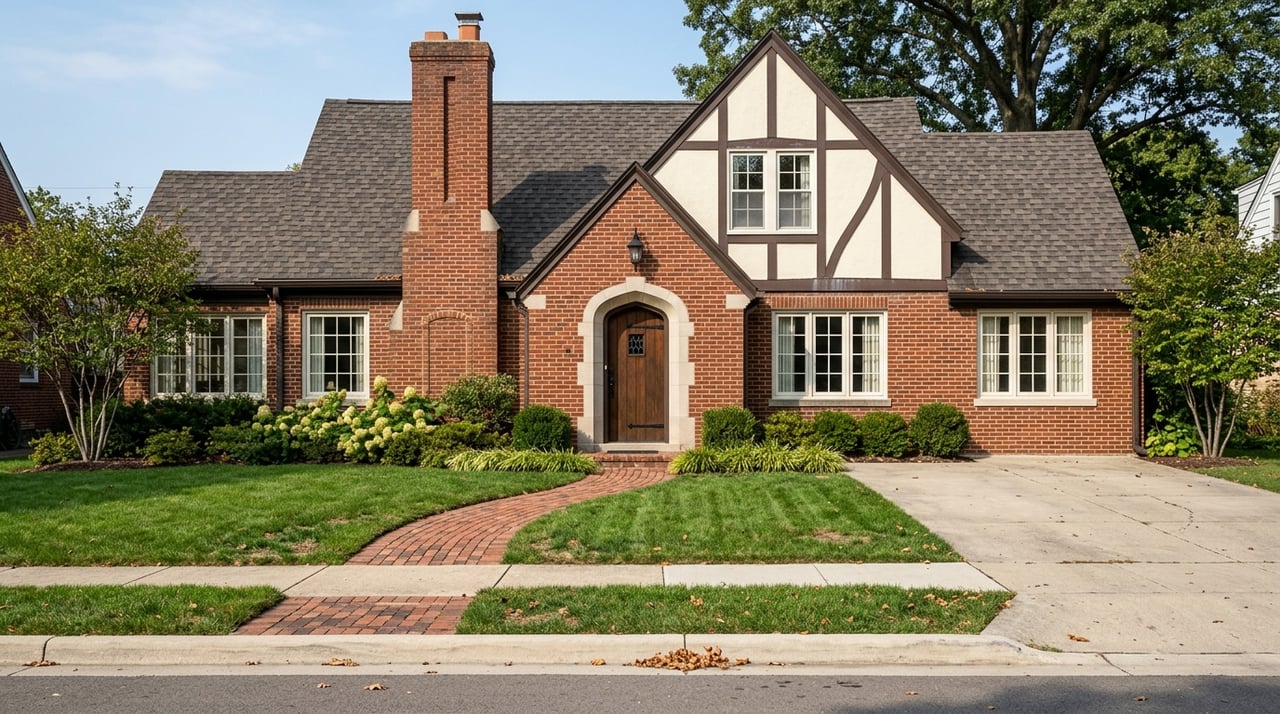
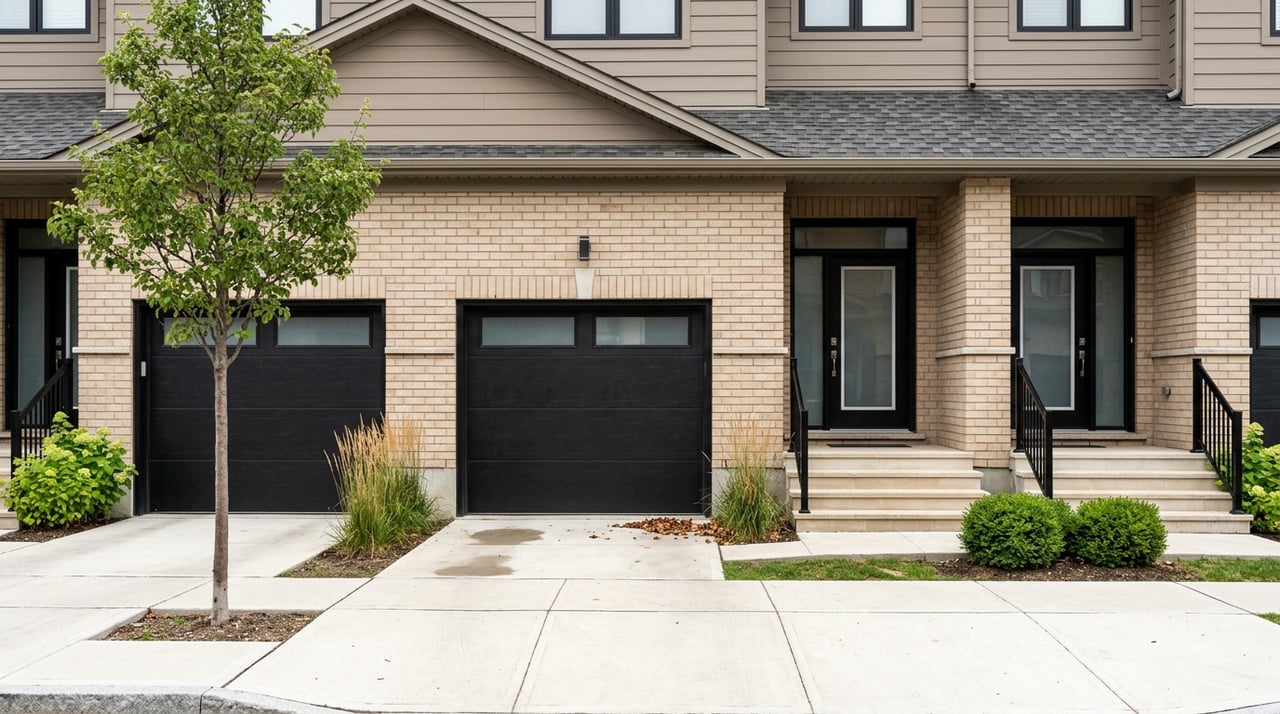
One of the biggest advantages of downsizing in Lincoln Park is variety. You are not choosing between only a tiny condo and a large house. You can often choose between vintage condos, elevator buildings, duplex units, and townhome-style properties depending on how you want your next chapter to feel.
Historic building patterns help explain that range. The City of Chicago’s Lincoln Park landmarks information highlights examples such as the Brewster Apartments, the Fremont Row House District, and the Armitage-Halsted District. Together, they reflect a neighborhood with everything from compact urban residences to more house-like attached homes.
That flexibility can be very helpful when you are trying to match a home to your routines. Some buyers want a true lock-and-leave elevator condo. Others still want a private entry, extra levels, or a layout that feels more familiar after years in a single-family property.
Unit sizes and layouts
Lincoln Park offers a wide range of floor plans, but smaller homes are a major part of the market. The CMAP snapshot shows that 40.3% of units are studios or one-bedroom homes, 28.5% are two-bedroom, and 17.8% are three-bedroom.
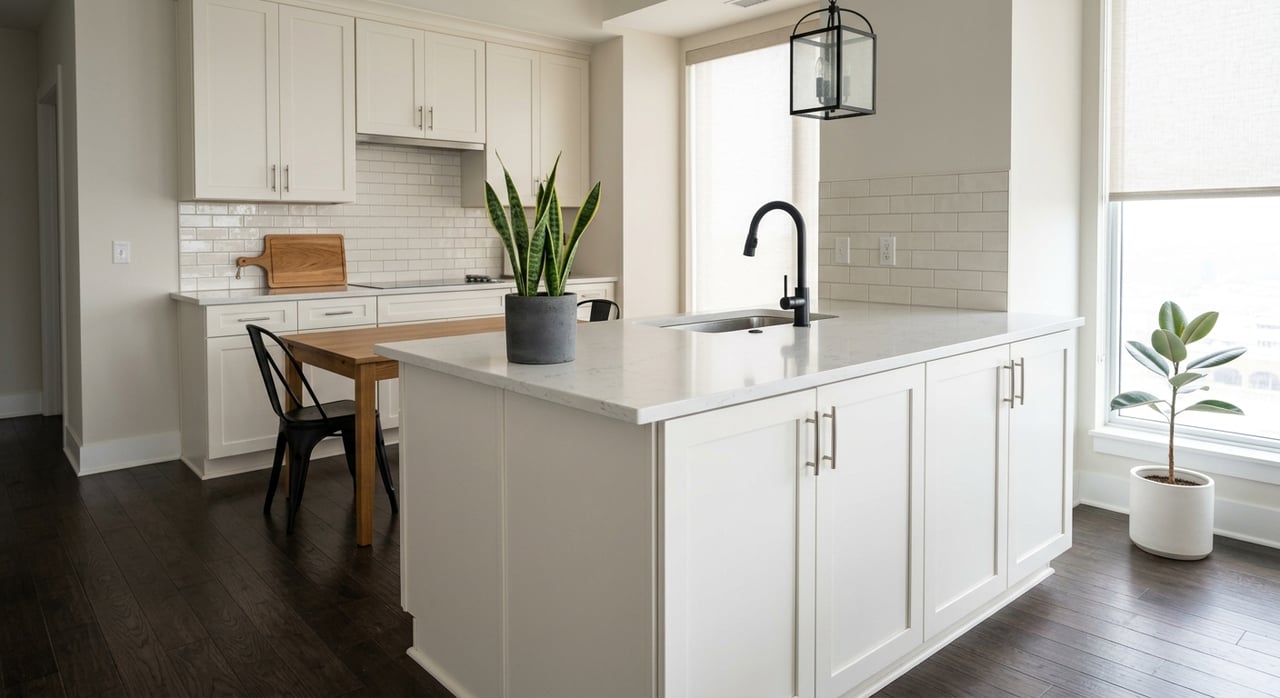
That means your decision is often less about square footage alone and more about function. A one-bedroom may be enough if you travel often and want very little upkeep. A two-bedroom may serve you better if you need a home office, a guest room, or overflow storage that keeps your main living space calm and uncluttered.
A recent example also shows how compact some newer layouts can be. Axios Chicago reported that two-bedroom units at The Seng measured about 824 to 868 square feet. That does not mean every newer condo will feel small, but it is a useful reference point if you are comparing newer construction to the larger rooms many downsizers are leaving behind.
Choose space by function
When you downsize well, you are not simply buying fewer square feet. You are choosing a home that supports your real habits. That is why the smartest comparison is not bedroom count on paper. It is how each room needs to work for you.
For example, a larger one-bedroom can be less practical than a true two-bedroom if you want separate work space or room for visiting family. On the other hand, a townhome may offer more privacy and a more familiar layout, but it can also mean more stairs and less day-to-day maintenance relief.
Before you tour condos, make a short list of what your next home must handle comfortably:
- Everyday living space
- A home office, if needed
- Overnight guests
- Seasonal storage
- Hobby or fitness equipment
- Laundry needs
- Pet supplies
- Delivery and package storage
This kind of planning creates clarity fast. It also helps you avoid paying for rooms you will rarely use or overlooking a layout that actually fits your life better.
Ask the right condo questions
In Lincoln Park, the right condo is often the one that feels easiest to live in, not just the one with the best photos. Small details can make a big difference once you move in.
As you compare properties, focus on questions like these:
- Is there a deeded storage locker or cage?
- Is the building elevator-served or a walk-up?
- Is parking included, leased separately, or street-based?
- Are there step-free entries?
- What are the move-in and delivery rules?
- How much of the HOA cost supports essential services versus optional amenities?
These are practical issues, but they shape your experience every day. A condo that looks perfect on paper may feel less convenient if storage is limited, the move-in process is restrictive, or parking does not align with how you use your car.
Lincoln Park lifestyle advantages
For many downsizers, the biggest gain is not just less maintenance. It is better access to the things you enjoy. Lincoln Park stands out because daily life can become more connected, more walkable, and less car-dependent.
The neighborhood’s signature amenity is, of course, the park itself. The Chicago Park District says Lincoln Park spans 1,188.62 acres and includes destinations such as the zoo, conservatory, Theatre on the Lake, rowing canal, Chicago History Museum, Peggy Notebaert Nature Museum, North Avenue Beach, and Oak Street Beach.
That scale matters because it gives you more than scenery. It gives you room to build a daily routine around walks, outdoor time, and easy access to cultural destinations. For many homeowners leaving behind yard work and household upkeep, that is a meaningful quality-of-life upgrade.
Walkability and daily convenience
Lincoln Park also offers a street-level lifestyle that appeals to many condo buyers. Choose Chicago notes that Clark Street in Lincoln Park features more than 100 restaurants, boutiques, cafes, and neighborhood businesses.
That means errands, dining, and social plans can often happen close to home. If your goal is to simplify your schedule and reduce the need to drive everywhere, this kind of environment can be a major benefit.
Transit and car-light living
If you want the option to rely less on your car, Lincoln Park supports that too. The CTA accessibility page lists accessible nearby Brown Line and Red Line stations including Fullerton, Armitage, Sedgwick, Diversey, Wellington, Belmont, Clark/Division, and Chicago.
CMAP adds more context. In Lincoln Park, 29.7% of workers use transit, 8.2% walk or bike, and 32.6% of households have no vehicle available, according to the Community Data Snapshot. Annual vehicle miles traveled per household are also much lower here than in the broader region.
For a downsizer, that can translate into real flexibility. You may still want a car, but you may not need to organize every part of your week around it.
What the market suggests
Lincoln Park remains a premium neighborhood, so downsizing here is usually about fit and lifestyle, not simply spending less. CMAP and IHS data in the Local Housing Profile reported a median residential sales price of $610,000 in 2022. The same source reported a median homebuyer purchase price of $645,000 and median homebuyer income of $205,000 in 2022 to 2023.
For many sellers, that means the move is less about cutting costs at all costs and more about using equity thoughtfully. You may be trading excess square footage and ongoing maintenance for location, convenience, and a home that feels easier to manage.
That is why preparation matters so much. A confident downsizing plan starts with clear priorities, realistic expectations about space, and a close look at how each building actually lives day to day.
How to downsize confidently
A smooth move usually starts before you ever make an offer. The more intentional you are up front, the easier it is to narrow your options and avoid second-guessing.
A practical downsizing process often looks like this:
- Measure your furniture early so you know what can realistically come with you.
- Decide how many true-use rooms you need for sleeping, working, hosting, and storage.
- Prioritize building style such as elevator, walk-up, or townhome layout.
- Review storage and parking carefully instead of assuming they will work out later.
- Compare HOA value based on services, building upkeep, and your lifestyle needs.
- Think about your weekly routine and how often you want to walk, drive, or use transit.
Downsizing with confidence is really about matching your next home to your next season of life. The best move is not always the smallest option or the newest finish package. It is the property that makes your daily life feel simpler and more enjoyable.
If you are thinking about a move to Lincoln Park and want calm, practical guidance on condo options, layout trade-offs, and the local market, Isabella Webb can help you plan your next step with clarity.
FAQs
What makes Lincoln Park a good neighborhood for downsizing to a condo?
- Lincoln Park has a strong mix of one- and two-person households, a large share of condo-friendly housing, walkable amenities, and transit access that support a lower-maintenance lifestyle.
What condo size works best for downsizers in Lincoln Park?
- The best size depends on function, not just square footage. Many downsizers find that a two-bedroom works well if they need a home office, guest space, or extra storage.
What should you ask before buying a Lincoln Park condo?
- You should ask about storage, parking, elevator access, entry conditions, move-in rules, and how the HOA budget supports services versus amenities.
Are newer Lincoln Park condos smaller than older ones?
- Some newer condos can be compact, and recent examples show two-bedroom units under 900 square feet, so it is important to compare layouts carefully rather than relying on bedroom count alone.
Can you live in Lincoln Park with less reliance on a car?
- Yes. Local transit access, walkable commercial streets, and lower household vehicle use data all support a car-light lifestyle for many residents.
Is downsizing in Lincoln Park mostly about saving money?
- Not always. In a premium neighborhood like Lincoln Park, downsizing is often more about convenience, location, and reducing upkeep than simply lowering your purchase price.