Thinking about trading your downtown Chicago condo for Winnetka? You are not just moving north. You are making a bigger lifestyle shift from shared-wall, amenity-driven city living to a lower-density village setting with different costs, routines, and housing choices. If you are weighing that change, this guide will help you understand what day-to-day life, housing, commuting, and timing can look like so you can plan your next move with more confidence. Let’s dive in.
What Changes When You Move to Winnetka
A move from downtown Chicago to Winnetka is about more than square footage. It often means moving from a dense, renter-heavy environment into a community with a much higher rate of homeownership and a more residential feel.
Winnetka has 12,518 residents, a 92.0% owner-occupied housing rate, and a median owner-occupied home value of $1,337,800. By comparison, Chicago has a 46.0% owner-occupied rate and a median owner-occupied value of $334,100. Winnetka is also far less dense, with 3,344.0 people per square mile versus 12,059.8 in Chicago.
That difference tends to show up in everyday life. Your routine may feel quieter, less vertical, and less centered on shared building spaces. You may also take on more responsibility for the home itself, especially if you move from a condo into a detached house.
Winnetka Housing Feels Different
If you are used to downtown condo inventory, Winnetka may feel like a different market from the start. The village zoning structure is heavily oriented toward single-family housing, with five single-family residential districts and two multiple-family districts.
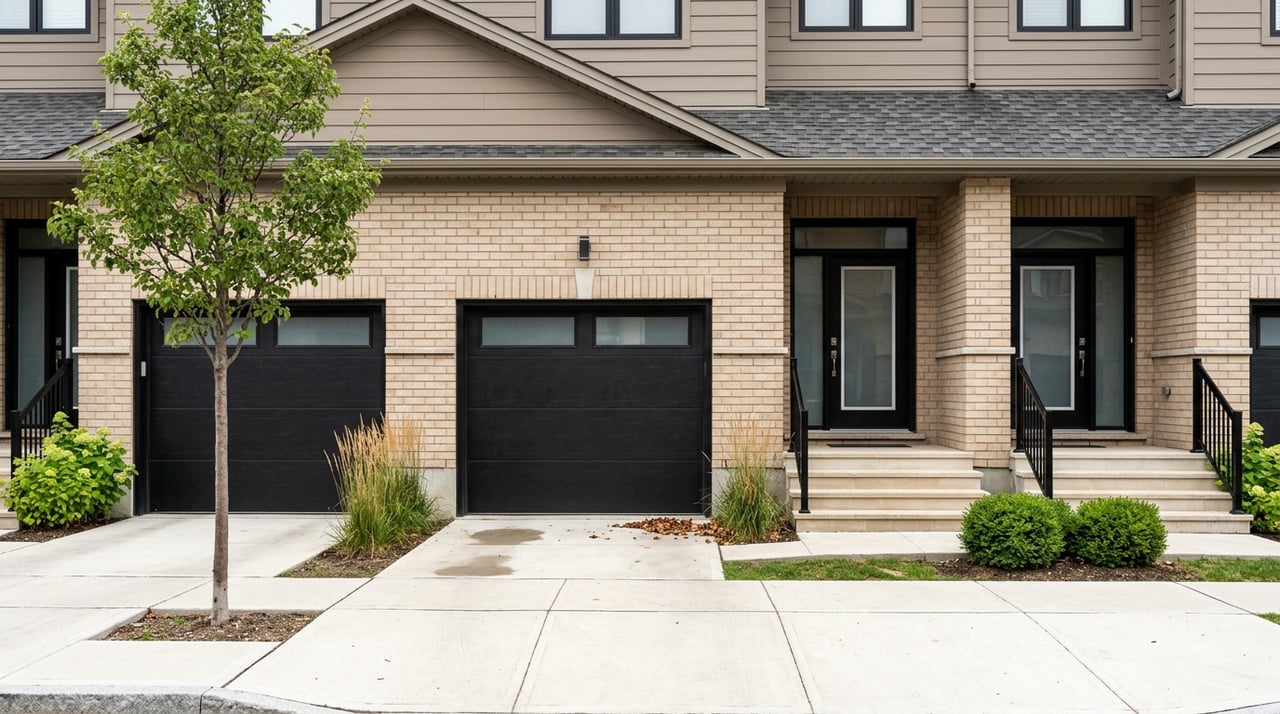
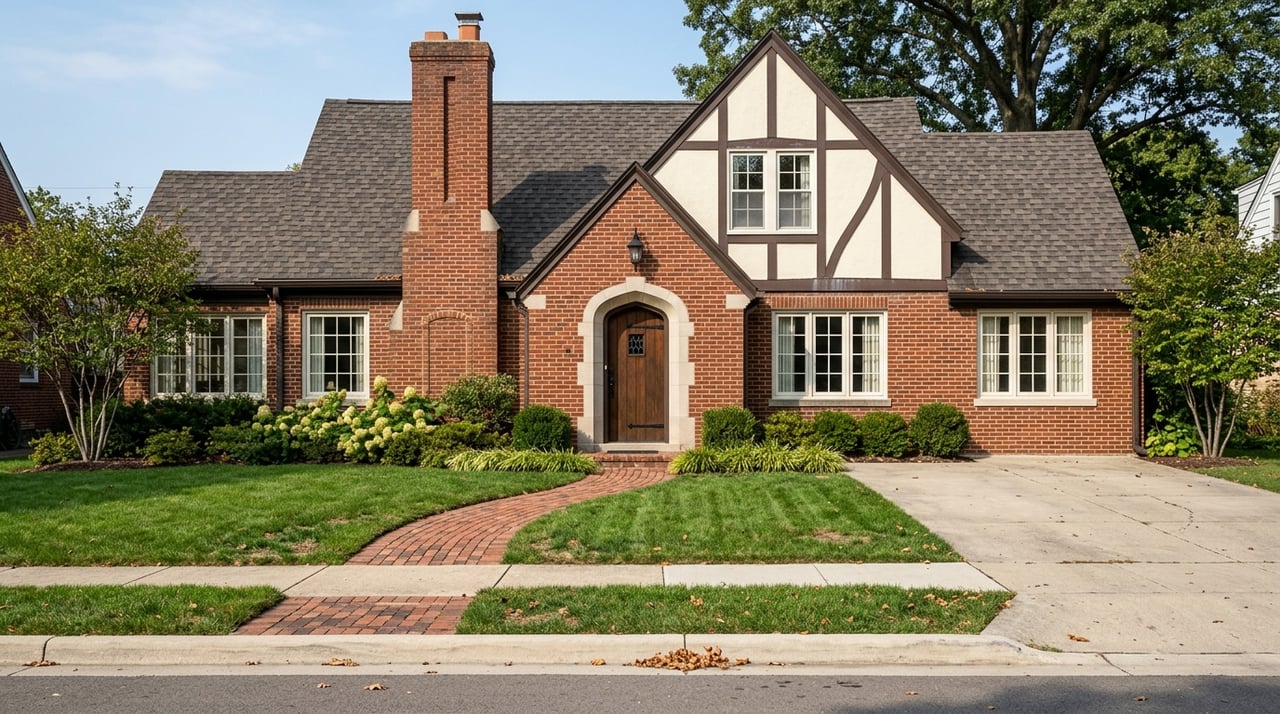
In practical terms, that usually means fewer condo-style options and more detached homes. You may find larger footprints, more private outdoor space, and more storage. You may also need to budget for exterior upkeep, repairs, and maintenance that your condo association may have handled before.
This is one of the biggest mental shifts for condo owners. In a downtown building, many costs are bundled into monthly living. In Winnetka, more of those responsibilities may sit directly with you.
Comparing the Cost of the Move
One of the most important questions is simple: what will this move really cost? Winnetka is a premium market, and the ongoing cost of ownership is materially higher than in Chicago overall.
According to Census data, median monthly owner costs with a mortgage are more than $4,000 in Winnetka, compared with $2,339 in Chicago. That does not mean every move north is financially out of reach, but it does mean you should look closely at your full monthly picture before you begin.
If you own a downtown condo, remember to compare more than just the mortgage payment. Condo and HOA dues are typically separate from the mortgage and can range from a few hundred dollars a month to more than $1,000. When you compare that with a Winnetka home, factor in property taxes, insurance, repairs, maintenance, and seasonal upkeep.
What Daily Life in Winnetka Looks Like
Winnetka presents a different rhythm than downtown Chicago. The village describes itself as a North Shore community with tree-lined streets, sandy beaches, parks, schools, and three shopping districts, all less than 20 miles north of Chicago.
Outdoor space is a major part of local life. The Winnetka Park District maintains 27 parks totaling more than 242 acres, and the village points to beaches and the Skokie Lagoons for hiking, fishing, picnicking, and birdwatching.
If your current lifestyle revolves around the lakefront trail, building gym, and walkable dining blocks, this can feel like a meaningful change. Instead of shared amenities, your free time may center more on parks, local business districts, and home-based living.
That shift is a big reason some buyers are drawn to Winnetka in the first place. If you want more room, more outdoor access, and a village-scale routine with city access still available, Winnetka can offer that blend.
Can You Still Commute to Downtown Chicago?
Yes, and that is one reason Winnetka remains appealing to buyers leaving the city. You are not moving into a fully car-dependent setup.
Winnetka has three Metra stations on the Union Pacific North line: Indian Hill, Elm Street, and Hubbard Woods. Village transit information notes service to downtown Chicago via Ogilvie, along with northbound service to Kenosha, and Metra lists the Winnetka station as accessible.
For many former condo owners, this matters a lot. You can keep a connection to downtown work, meetings, and city amenities while living in a more residential setting. You may still drive more often than you do now, but rail access remains a real part of the equation.
Schools Often Move to the Top of the List
For many buyers, school research becomes a major part of the planning process. Even if schools were not a key factor in your downtown condo search, they may become one as you look at Winnetka.
Winnetka Public Schools District 36 lists five schools: Crow Island, Greeley, Hubbard Woods, The Skokie School, and Carleton Washburne School. New Trier Township High School District 203 says it serves about 4,000 students from North Shore communities, with sophomores through seniors housed on the Winnetka Campus.
If schools matter to your move, it helps to start that research early. Attendance patterns, grade configurations, and location logistics can all shape which homes feel like the best fit for your next chapter.
Understanding the Winnetka Market Right Now
Winnetka sits in the premium tier of the North Shore market. Multiple market trackers point to the same broad conclusion: pricing is high, and well-positioned homes can move with steady demand.
Zillow reported an average Winnetka home value of $1,846,777 as of April 30, 2026, up 11.8% year over year. Realtor.com reported a median listing price of $2.2 million in March 2026, with homes selling at about asking price on average and a median of 26 days on market.
The numbers are not identical because the sources measure different things, but the takeaway is clear. If you are moving from a downtown condo into Winnetka, you are entering a market where preparation, budget clarity, and timing matter.
How to Sequence the Sale and Purchase
If you are selling a downtown condo and buying in Winnetka, your order of operations matters. In most cases, a clean sequence reduces stress and gives you better clarity on budget.
A practical approach looks like this:
- Get preapproved.
- Review your condo value and likely net proceeds.
- Prepare the condo for market.
- List and market the condo.
- Shop for Winnetka with financing and sale timing in view.
Preapproval is a smart early step because sellers often require a preapproval letter, and those letters typically expire in 30 to 60 days. When your financing is lined up, you can evaluate Winnetka options with a more realistic budget and a clearer timeline.
Homeowners often aim to sell their current home before buying another one. That approach can be especially helpful when you are moving from a condo into a much higher price point and want to understand your equity position before making offers.
Why Condo Prep Matters So Much
Downtown condo owners sometimes underestimate how much presentation influences the sale. In many buildings and neighborhoods, your home may compete against similar units, which means condition and presentation can shape both speed and final price.
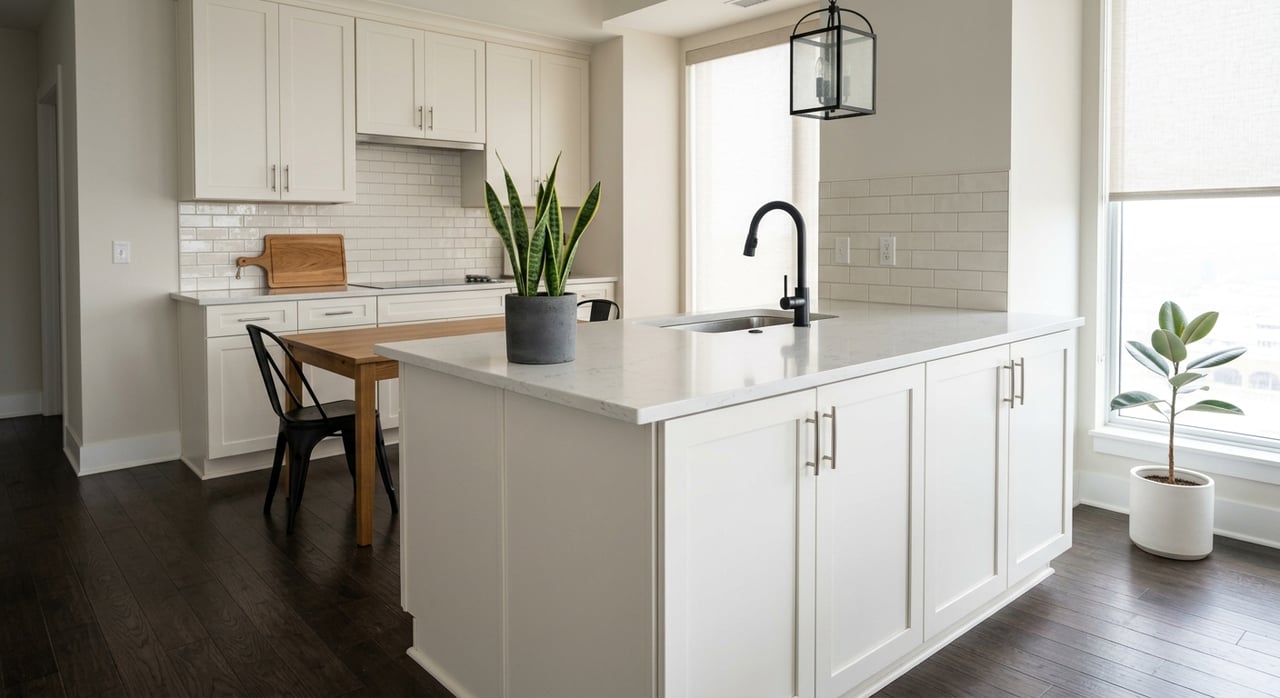
That is why the condo sale should be treated as a presentation project, not just a listing project. Before you go live, focus on repairs, cosmetic touch-ups, decluttering, and staging so buyers see a polished, move-in-ready space.
This is especially important if you want to time your sale around the spring market. Both Zillow Research and Realtor.com point to spring as a strong selling window, with April often tied to faster sales and early May often associated with stronger sale prices.
When to Start the Move
If you are considering this transition, spring is often the ideal prep season. Market research points to April and early May as strong listing windows, though local inventory, buyer demand, and mortgage rates can affect the best timing.
That means your planning should usually start earlier than you think. If your goal is a spring condo listing, you may want to begin pricing strategy, repairs, vendor coordination, and staging conversations well before that window opens.
A move like this tends to go more smoothly when you treat it as a two-part strategy. First, maximize the condo sale. Then, step into Winnetka with a clear budget, realistic expectations, and enough flexibility to buy thoughtfully.
A Smart Way to Approach the Transition
Moving from a downtown Chicago condo to Winnetka can be exciting, but it works best when you plan for the full shift, not just the address change. You are comparing different housing types, monthly budgets, commute patterns, and daily routines.
The good news is that this move can be very manageable with the right preparation. When you understand your condo’s likely sale position, the cost of ownership in Winnetka, and the timing of both sides of the transaction, you can make decisions with far more confidence.
If you are starting to think through your next step, working with an agent who understands downtown condo positioning and relocation strategy can make the process far more efficient. If you want help preparing your condo for sale and building a smart move plan, connect with Isabella Webb.
FAQs
What is the biggest lifestyle change when moving from a downtown Chicago condo to Winnetka?
- The biggest change is usually moving from dense, shared-space city living to a lower-density, ownership-heavy setting with more private space and more direct home maintenance responsibilities.
How expensive is homeownership in Winnetka compared with Chicago?
- Census data shows median monthly owner costs with a mortgage at more than $4,000 in Winnetka versus $2,339 in Chicago, so buyers should plan for a meaningfully higher carrying cost.
Can you commute from Winnetka to downtown Chicago?
- Yes. Winnetka has three Metra stations on the Union Pacific North line, with service to downtown Chicago via Ogilvie.
What types of homes are more common in Winnetka than downtown Chicago?
- Winnetka zoning is heavily single-family oriented, so buyers should generally expect more detached-home options and fewer condo-style choices.
Should you sell your downtown Chicago condo before buying in Winnetka?
- Many homeowners aim to sell their current home before buying another one so they can understand their budget, financing, and net proceeds more clearly.
What should you do before listing a downtown Chicago condo for sale?
- Focus on repairs, cosmetic refreshes, decluttering, and staging before the listing goes live so the condo shows well and competes effectively against similar units.
When is a good time to list a condo before moving to Winnetka?
- Spring is often a strong window, with research pointing to April for faster sales and early May for stronger prices, though local market conditions can shift timing.
What school districts should buyers research when considering Winnetka?
- Buyers often start with Winnetka Public Schools District 36 and New Trier Township High School District 203, since both are central to how many families evaluate the move.