Do you picture yourself in a brick-and-timber loft with soaring windows, or in a sleek condo tower with a rooftop and concierge? If the West Loop is on your radar, you have great options and a few tradeoffs to weigh. This guide explains how lofts compare to newer condos, what to expect from daily life, and the costs and details that matter before you buy or rent. Let’s dive in.
Why the West Loop stands out
Where it sits and what it includes
The West Loop sits directly west of Chicago’s downtown Loop and covers familiar micro-areas like Fulton Market, Randolph Street’s Restaurant Row, Greektown, West Loop Gate and parts of the Fulton River and Fulton-Randolph corridors. You’ll often see ZIP codes like 60607 and 60661 tied to listings here. The mix of dining, creative offices and residential buildings creates a high-energy, walkable setting.
From warehouses to residences
For decades, Fulton Market and Randolph were Chicago’s wholesale food and warehouse hub. Over the last 25 to 30 years, many of those buildings were adaptively reused as residential lofts and creative office space. City materials for the Fulton-Randolph area note the industrial roots and the reality that truck and loading activity still happens on Fulton and Lake streets, which helps explain some of the street feel and sound today. You can see that context in the city’s design guidelines for Fulton-Randolph.
Historic protections you should know
Part of the neighborhood, commonly called Fulton Market, was designated as the Fulton-Randolph Market Chicago Landmark district in 2015. That status influences how visible exterior changes are reviewed and why some conversions keep their original warehouse facades. If you are buying within the district, it is smart to understand the basics in the landmark designation report.
Loft vs condo: how they differ
Hard lofts: true warehouse conversions
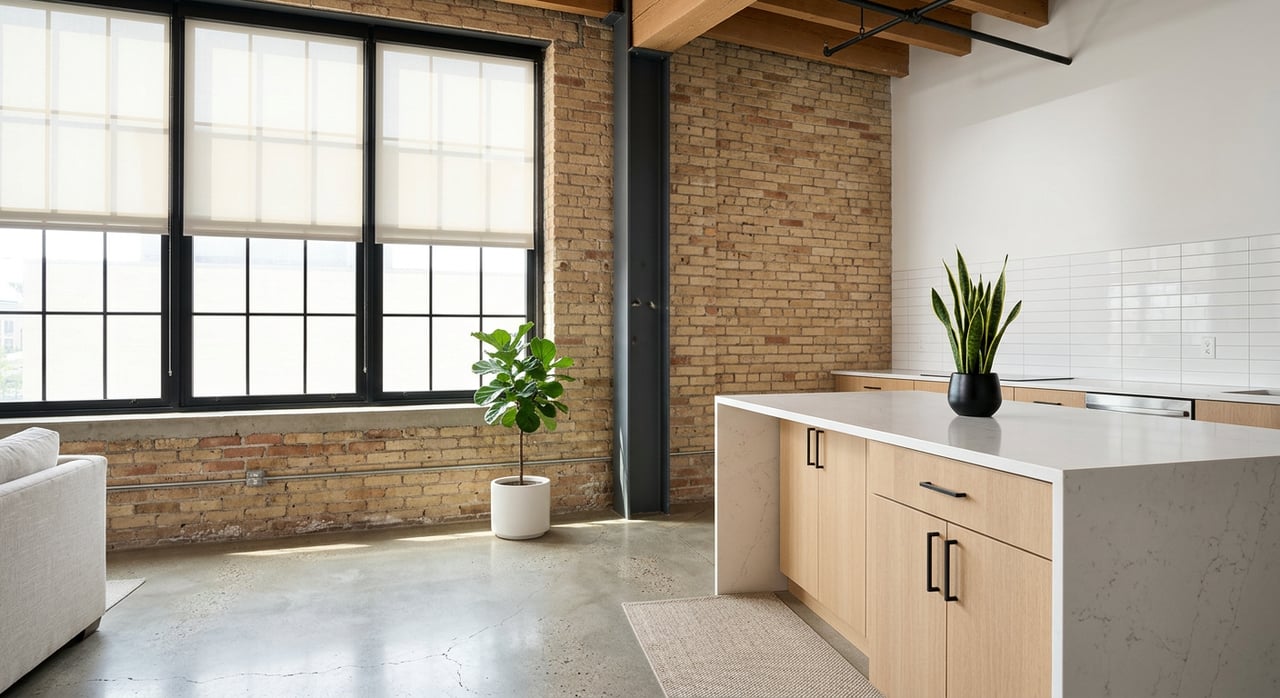
Hard lofts are units carved from former warehouses. Expect high ceilings, large factory-style windows, exposed brick, timber or concrete structure and open plans with fewer interior walls. The look is warm and character-rich, and many spaces feel larger than their square footage because rooms flow together. You may also see quirks like fewer closets or sliding partitions instead of fully enclosed bedrooms.
Soft lofts: the loft look in new builds
Soft lofts are newer buildings that use the loft style. You still get tall ceilings and big windows, but systems and layouts are modern and efficient, with more defined bedrooms and conventional heating, cooling and plumbing. These often sit between a hard loft and a traditional condo, offering style with fewer conversion quirks.
New mid- and high-rise condos
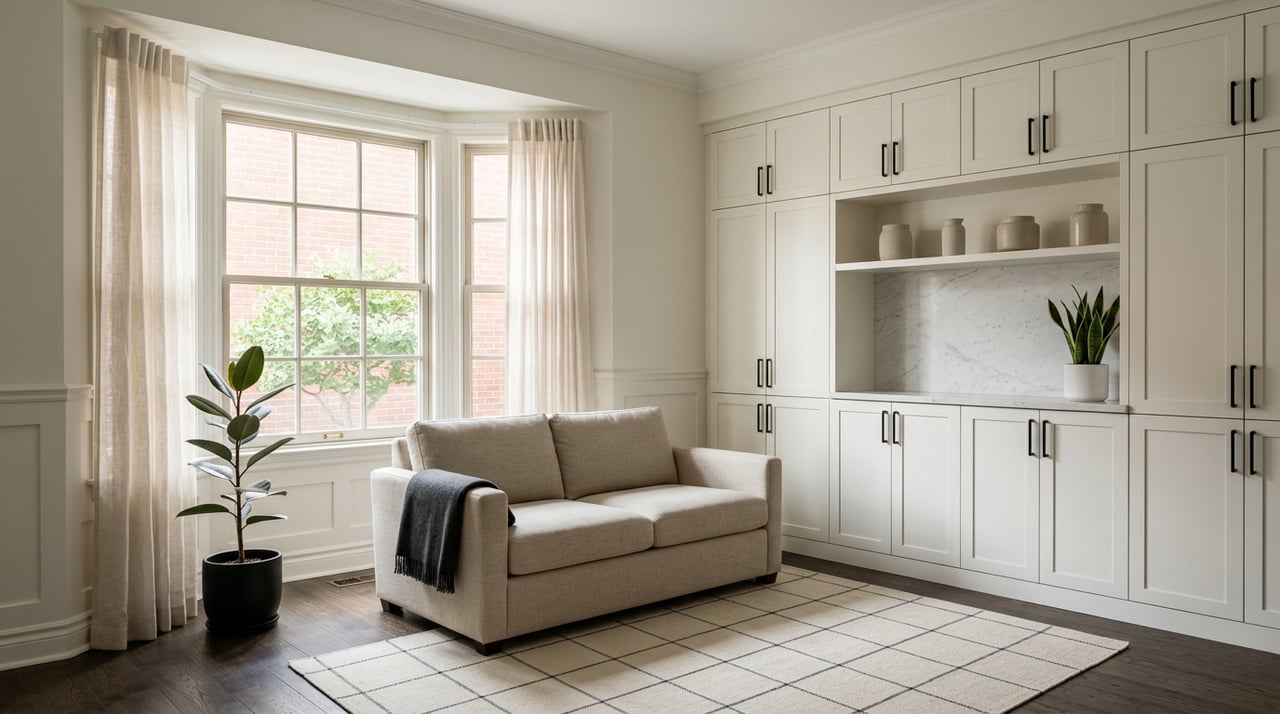
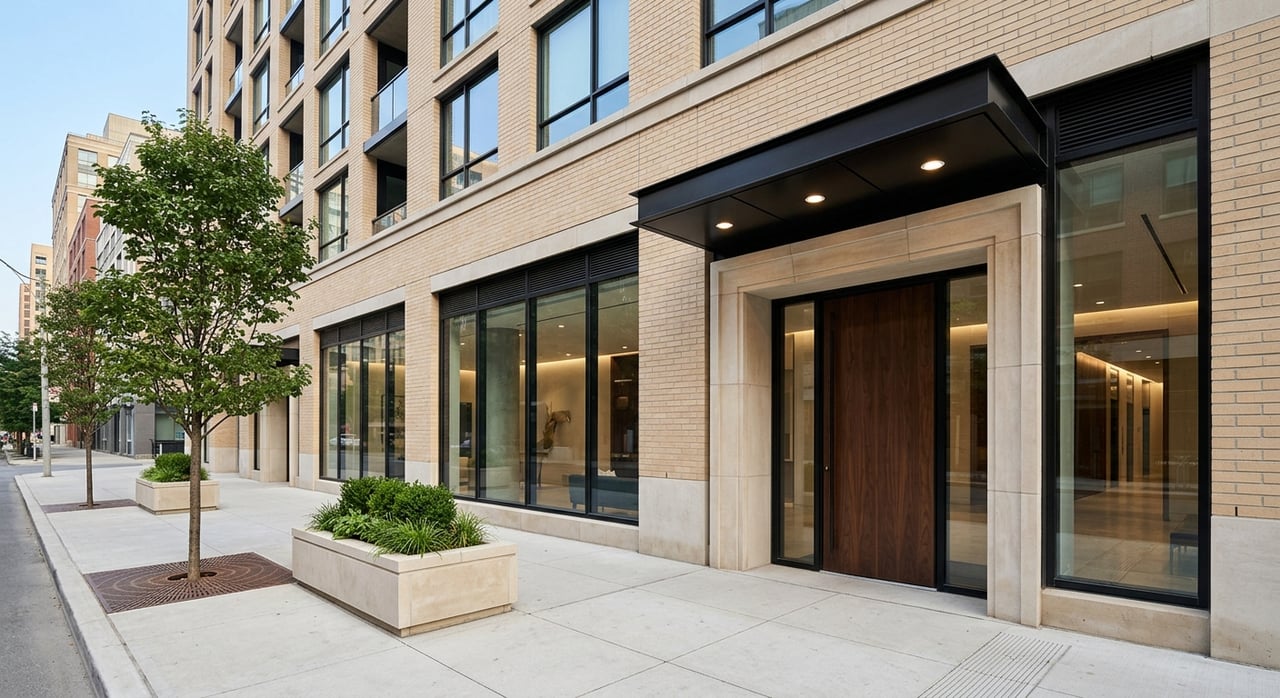
Modern towers and podium buildings in the West Loop focus on convenience and community spaces. Typical offerings include rooftop decks, fitness centers, lounges, package rooms, bike storage, dog runs or wash stations, on-site management and sometimes EV charging. To see the kind of amenity mix developers market nearby, browse a representative downtown property like 111 S. Halsted’s amenity list. Floor plans in these buildings are usually more compact and compartmentalized than in converted lofts.
Floor plans and bedroom details
Across the neighborhood, you will see studios and one-bedrooms in newer buildings, many two-bedrooms in both product types and a small number of large industrial lofts or townhomes. Open plans in conversions can make one-bedrooms feel especially spacious. If a listing shows a sleeping loft or partially enclosed room as a bedroom, ask about local egress and window rules so you understand how the space is defined for safety, financing and insurance.
What it costs to live here
Purchase prices today
Recent neighborhood snapshots show many West Loop sales clustering from the mid 400s to the 500s, with prices varying by building age, finishes, outdoor space, parking and location within the neighborhood. Lofts with standout character and newer condos with premium amenities often command higher prices. Treat these as ballpark figures and expect changes month to month based on inventory and demand.
HOA assessments and what they include
Monthly condo assessments commonly fall in the low to mid hundreds for modest units, with larger or full-service buildings higher. Always check the line items, which may include heat, water, building insurance, reserves, internet or cable, staffing and sometimes parking. Two similar-feeling units can have very different monthly costs once you factor in assessments and utilities.
Rents in Fulton Market and the West Loop
Rental trackers often show average monthly rents in Fulton Market and the broader West Loop at or above $3,000, with studio and one-bedroom units lower and new-construction two-bedrooms higher. To gauge today’s options and price spread, scan current Fulton Market rental listings. Amenity-rich towers tend to sit at the top of the range.
Parking as a line item
On-site parking is a premium in many West Loop buildings. Older loft conversions may have limited or no deeded spaces, so plan for nearby garage rentals. Monthly garage parking often runs in the low $200s to $400s based on local listings, and some newer buildings sell deeded spaces separately. For a sense of how buildings present parking and features, compare a local example like 1220 W. Jackson.
Daily life: transit, walkability, sound
Walk score and transit access
This neighborhood is prized for easy commuting. West Fulton Market areas score very high on walk, transit and bike measures, which is one reason many residents choose to live here even if parking costs more than in other parts of the city. You can review the area’s strong mobility scores on Walk Score’s West Fulton Market page. The CTA Green and Pink Lines stop at Morgan, multiple bus routes run through the area, and downtown commuter rail at Ogilvie and Union Station is close. For context on station improvements and connections, see the CTA’s system project summaries.
Noise patterns to expect
Weekdays can bring truck and loading sounds on Fulton and Lake because the corridor still supports wholesale activity. Evenings and weekends see lively restaurant and patio traffic near Randolph’s Restaurant Row. Construction noise is also common in pockets due to ongoing development. The city’s Fulton-Randolph design notes document the loading context, and local reporting highlights the area’s active dining scene, including coverage of changes along Randolph Street.
Amenities that shape your choice
Newer condos tend to win on convenience. Common packages include fitness centers, rooftops with grilling stations, lounges and coworking spaces, package rooms, bike storage, pet amenities and on-site staff. Converted loft buildings often trade those services for larger, more open living spaces and unique materials like exposed brick and timber. If you value daily access to a gym and a staffed lobby, a newer tower may fit you best. If you want character, volume and a one-of-a-kind feel, a hard loft often delivers.
Buyer and renter checklist
Use this quick list to compare addresses and avoid surprises:
- Building type: Is it a converted hard loft, a soft loft or a newer condo? This affects layout, insulation, services and how exterior changes are reviewed in landmark areas.
- Bedrooms: If a sleeping loft is marketed as a bedroom, ask about egress and window requirements so you know how the space is officially classified.
- HOA details: What do assessments include each month, and what is the fee trend over the last few years? Confirm heat, water, insurance, reserves, cable or internet and any building staffing.
- Parking: Is parking deeded to the unit or is it a rental in the building or nearby garage? Ask about monthly rates, visitor parking and whether EV chargers are in place or planned.
- Sound and surroundings: How is soundproofing between units? What are peak noise sources nearby, like restaurant patios, loading areas, the elevated CTA or active construction?
- Landmark status: If the address is within the Fulton-Randolph Market Landmark district, what rules apply to visible exteriors and any potential expansions?
- Commute plan: What is the walk time to the nearest CTA station and bus routes? How close are Ogilvie and Union Station if you commute by Metra? What is your route to I‑90/94 or I‑290?
Popular micro-areas within the West Loop
Fulton Market
A blend of creative offices, dining and converted warehouses. Expect active loading zones on some blocks and continued development.
Randolph Street’s Restaurant Row
A major dining corridor with evening and weekend crowds and patios. Proximity brings convenience and some nightlife sound.
Greektown and West Loop Gate
Greektown offers a cluster of restaurants and services. West Loop Gate edges closer to downtown and brings excellent access to transit and the business core.
Choose with clarity
There is no single right answer in the West Loop. Lofts offer volume and character with fewer building services. Newer condos offer amenities, on-site staff and efficient floor plans. Your best fit depends on how you live day to day and how you want your home to feel.
If you want a calm, data-informed process from search to closing, reach out. Whether you are buying, selling or exploring an investment, Isabella Webb brings neighborhood fluency, clear communication and a methodical plan to help you move with confidence.
FAQs
West Loop loft vs condo: what is the main difference?
- Lofts deliver open layouts, tall ceilings and historic materials, while newer condos provide efficient rooms and consistent amenity packages like gyms, rooftops and staffed lobbies.
West Loop parking: will I need a paid spot?
- Many buildings treat parking as a premium; older lofts may not include deeded spaces, so plan for nearby garage rentals that commonly range from the low $200s to $400s per month.
West Loop noise: are lofts quieter than condos?
- It depends on the building; open loft plans can carry sound inside a unit, and conversion-era walls vary, while many newer buildings are built with modern acoustic standards.
Landmark rules in Fulton Market: what do they mean?
- In the Fulton-Randolph Market Landmark district, visible exterior work is reviewed to preserve historic character, which can guide facade changes and some additions.
West Loop transit: how close are trains and buses?
- The CTA Green and Pink Lines stop at Morgan, several bus routes serve the area, and Ogilvie and Union Station are nearby, making car-free living realistic for many residents.