What if your morning started with a jog on the Lakefront Trail, a coffee on a tree‑lined block, and an easy train ride to the Loop? If you are weighing a move to Chicago’s Gold Coast, you want a clear picture of daily life, housing options, and what tradeoffs to expect. In this guide, you will get a grounded, local view of the neighborhood’s streets, amenities, transit, and real estate choices so you can decide if it fits your lifestyle. Let’s dive in.
Where the Gold Coast sits
The Gold Coast is on Chicago’s Near North Side, with a setting that is both lake‑adjacent and close to downtown. It is commonly described as roughly bounded by North Avenue to the north, Lake Shore Drive to the east, Oak Street along the south and east edge, and Clark Street to the west. Parts of the area are listed on the National Register of Historic Places as the Gold Coast Historic District.
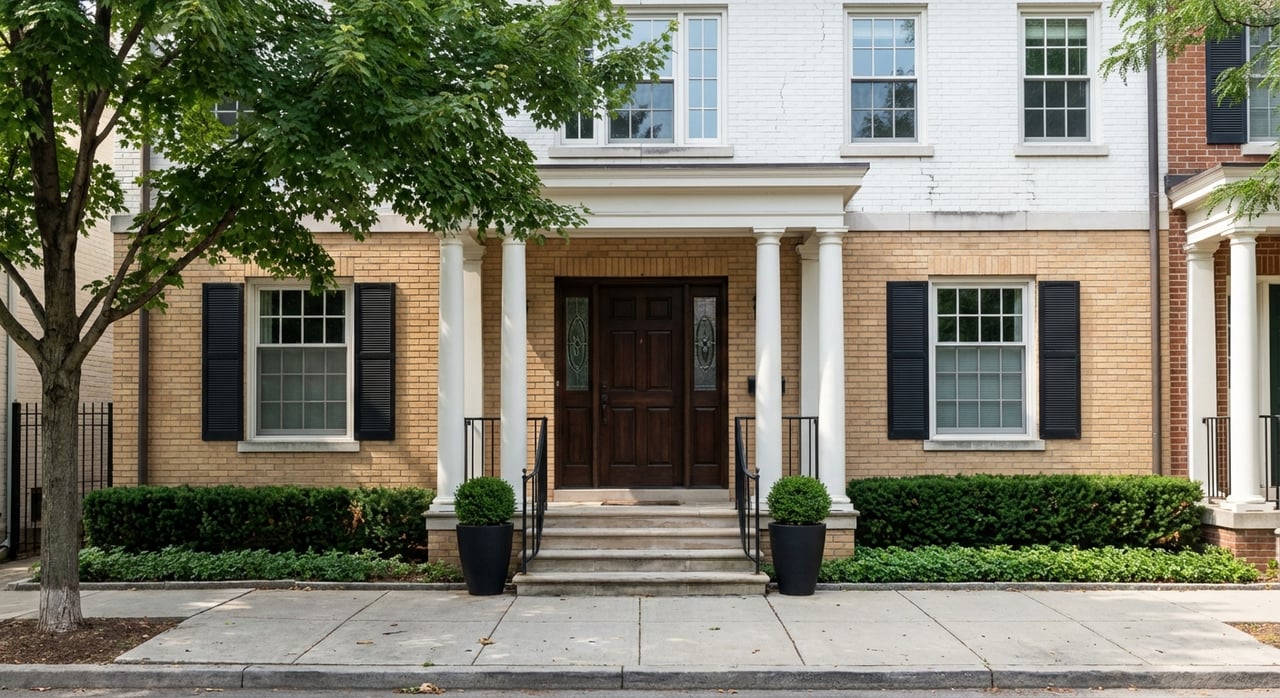
You will notice an immediate contrast in scale as you walk. Quiet blocks lined with stone mansions and brick rowhouses transition within a few minutes to full‑service high‑rises near Lake Shore Drive and Michigan Avenue. That mix is a big reason the neighborhood can feel both calm and residential and also lively and urban, depending on the block.
Architecture is a draw here. The legacy of Potter Palmer’s late‑19th‑century development shows up in landmarked rows and preserved mansions. A notable example is the James Charnley (Charnley–Persky) House on Astor Street, a touchstone for the area’s architectural pedigree. If you enjoy heritage design, read more about the James Charnley House before you explore.
Daily life: lake, parks, and green space
If access to the water matters to you, the Gold Coast delivers. Oak Street Beach sits right at the neighborhood’s edge, with soft sand and quick entry to the Lakefront Trail for biking, jogging, and long walks. For details on hours and amenities, see the Oak Street Beach page from the Chicago Park District.
Many residents plan their routines around the lakeshore. Morning workouts on the trail, a midday stroll, or a sunset break on the sand become easy habits. Green and blue space is a real quality‑of‑life perk, especially if you live in a condo without large private outdoor space.
Shopping, dining, and nightlife
The Gold Coast puts you next to some of Chicago’s best shopping. Oak Street is known for luxury boutiques, while the larger commercial spine to the south and east, the Magnificent Mile, offers national retail and flagship stores. You can walk from a quiet Astor Street townhouse to a high‑energy retail corridor in minutes.
Dining ranges from classic to scene‑setting. The blocks near Rush Street and Michigan Avenue feature long‑running steakhouses and modern chef‑driven spots. For a taste of the vibe, check out Chicago Magazine’s overview of Chicago’s best steakhouses. Expect lively sidewalks in the evening on the most active stretches, with quieter residential blocks a few minutes away.
Everyday errands are straightforward. You will find cafés, small markets, pharmacies, and service retail within a short walk. Many residents do not rely on a car for daily living thanks to the neighborhood’s dense retail and transit mix.
Housing: what you will actually find
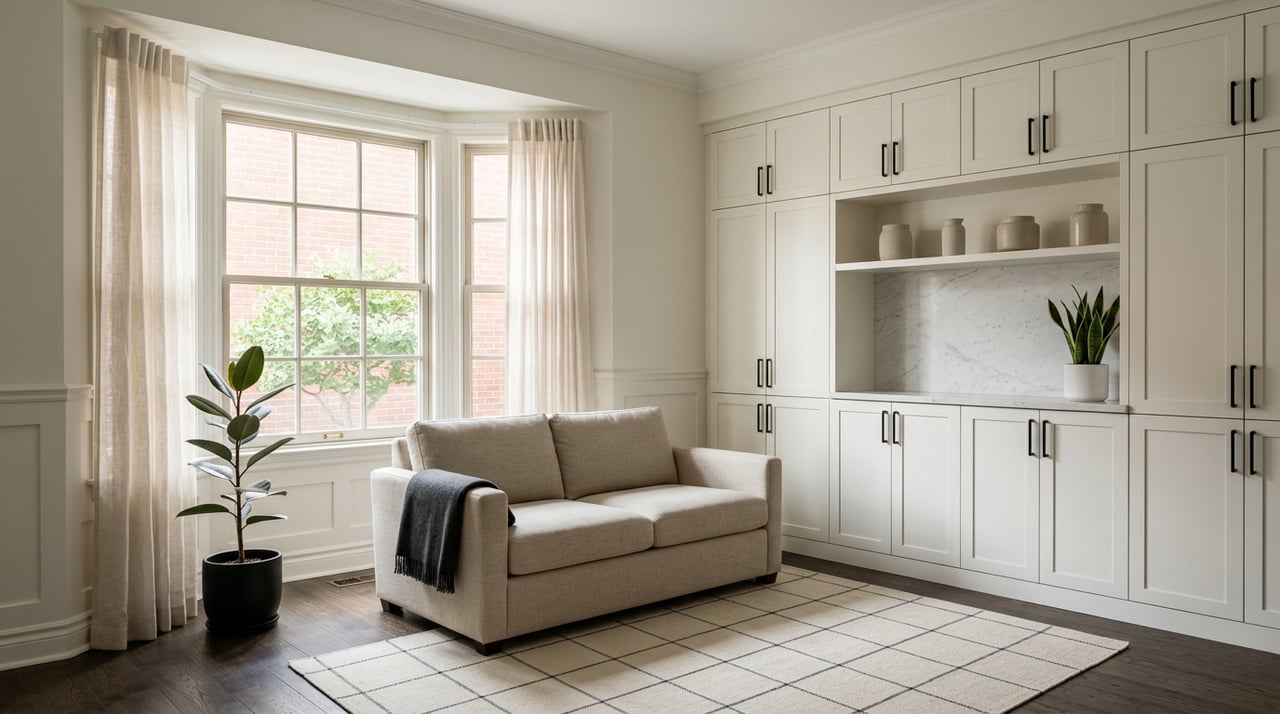
The Gold Coast is a condo‑heavy market with a wide internal range. You will see:
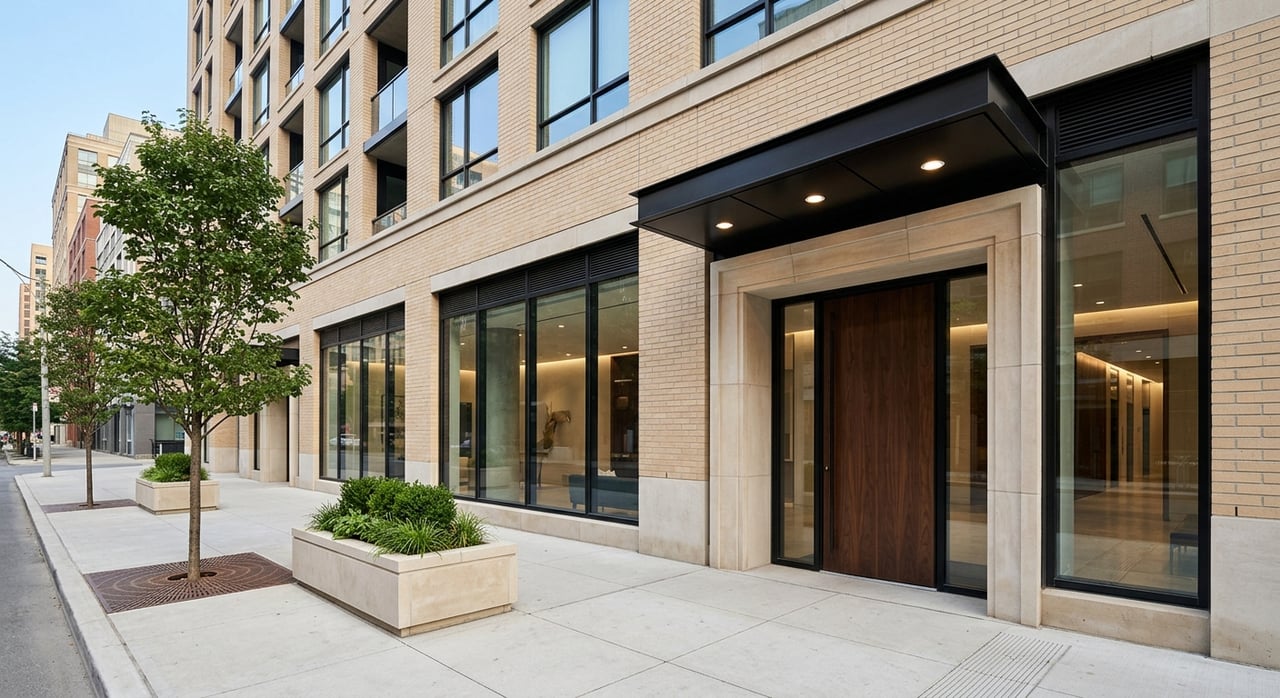
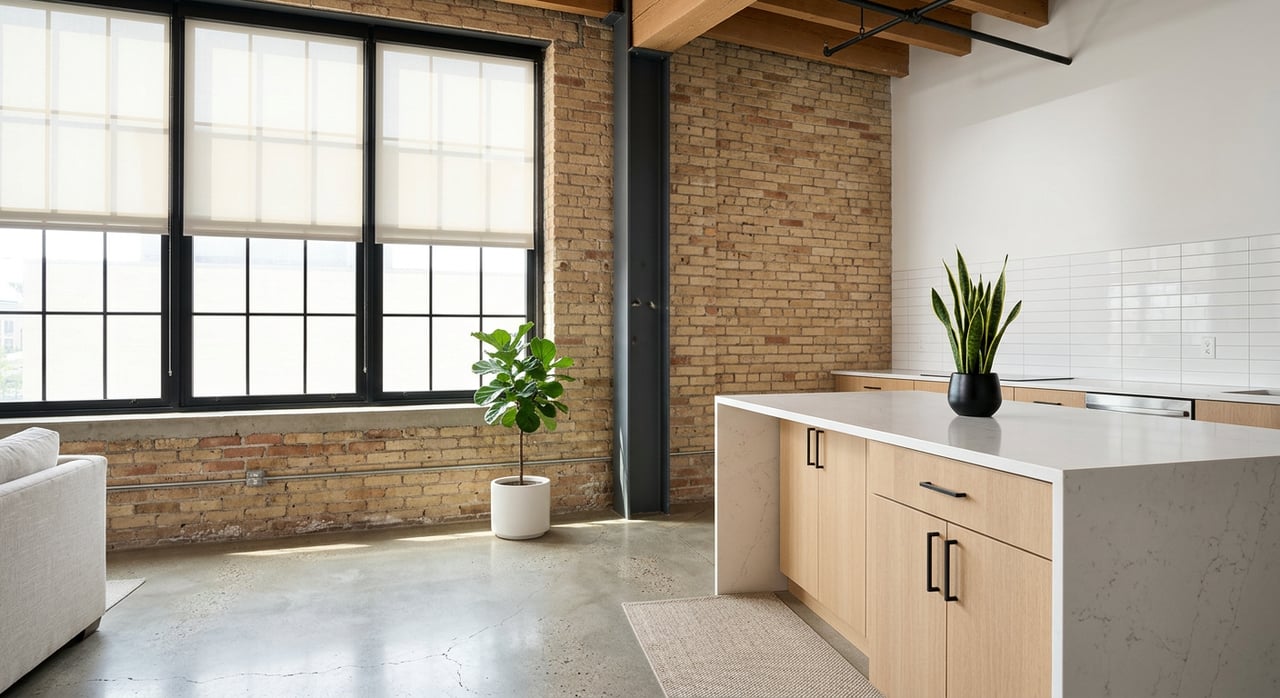
- Vintage and modern high‑rise condos, many with doormen and on‑site amenities.
- Cooperative (co‑op) buildings in older properties with larger room sizes and classic layouts.
- A limited number of townhomes and preserved single‑family mansions on landmarked blocks.
Because the inventory varies so much, buyers often think in two tiers:
- Interior and landmarked blocks with vintage condos and co‑ops that emphasize character and value.
- Lakefront and near‑Mag Mile towers with views, hotel‑style amenities, and top‑tier pricing.
Condos and co‑ops 101
In full‑service buildings, monthly assessments often cover on‑site staff, heat, water, and amenities. That can raise carrying costs compared with smaller walk‑ups, but it simplifies budgeting. Co‑ops may have additional requirements like board interviews, specific down payment minimums, and policies around renovations. If you are drawn to co‑ops for their larger layouts and value, plan extra time for due diligence.
What drives value
A few factors shape pricing here more than most:
- Floor height and view corridors to the lake or skyline.
- Building service level and amenities like fitness rooms, pools, and staffed entrances.
- Parking options, including on‑site garage spaces and guest parking.
- Renovation level and preserved historic details in vintage units.
- Landmark cachet on certain blocks.
Because averages can mask the spread from smaller vintage units to multi‑million‑dollar lakefront penthouses, it helps to anchor your search with recent, building‑specific comps and a clear budget range.
Transportation and commute
Walkability and transit coverage are strengths. For a quick snapshot, see Walk Score’s Chicago overview. Many Gold Coast residents walk to Red Line stations or use frequent bus service. The #22 Clark bus is a major north‑south route that connects the Near North to downtown and beyond. You can check schedules and stops on the CTA #22 Clark route page.
If you commute to the Loop, plan for a 10 to 20 minute train ride from core Gold Coast blocks, depending on your exact starting point. The Lakefront Trail also makes biking a practical and scenic option. Divvy bike‑share stations are common, which adds flexibility for short trips.
Driving is direct to Lake Shore Drive, but street parking is limited and metered on many blocks. Many residents rely on a paid garage space, either in‑building or nearby. If you own a car, confirm garage availability, costs, and guest parking when you tour.
Practical buyer considerations
A smart Gold Coast search blends lifestyle with building due diligence. Use this checklist as you plan tours:
- Parking: Verify whether a deeded or leased garage space is included, the monthly fee, and guest options.
- Assessments: Review what monthly assessments cover. In many full‑service towers they include staffing, heat, water, and amenities.
- Co‑op policies: If you are considering a co‑op, ask about financing rules, reserves, and board approval steps.
- Landmark and historic rules: Exterior work on landmarked buildings and blocks may require review and permits. For context on the preservation framework, see this example case document on Scribd and consult the City for your property’s specifics: landmark reference example.
- Noise and nightlife: Blocks near Rush Street and Michigan Avenue are lively late into the evening. If you prefer quiet, focus on interior residential streets like Astor and Banks. The Gold Coast Neighbors Association often highlights community priorities, including quality of life and safety.
- Schools and family needs: The neighborhood is near Ogden International School’s East Campus and several private schools such as Latin School of Chicago. Confirm current boundaries and enrollment rules with Chicago Public Schools.
- Safety: This is a well‑patrolled Near North area, but it is still a dense urban neighborhood. Use ordinary city habits and review recent Chicago Police Department data for the specific block you are considering.
Who loves living here
- Urban professionals who value a short commute, strong dining options, and easy access to the lake.
- Downsizers and empty nesters who want full‑service buildings, walkability, and lock‑and‑leave convenience.
- Investors who focus on well‑located condos near transit and amenities, with steady rental demand.
The common thread is the desire for a well‑connected city address with a refined, historic character and practical services close by.
A day in the Gold Coast
Picture this: You start with a sunrise walk along the Lakefront Trail and a coffee from a café tucked on a quiet side street. Midday, you head to Oak Street for a quick shopping errand, then cut over to the Oak Street Beach to catch some sun. You take the Red Line or the #22 Clark bus to the Loop for a meeting, then meet friends for dinner near Rush Street. You are home by foot in under ten minutes. That is the Gold Coast rhythm for many residents.
Ready to explore homes here?
If the Gold Coast sounds like a fit, you deserve a calm, well‑organized search and a clear pricing plan. I combine hyperlocal building knowledge with Compass tools to streamline your path, whether you are buying a condo, selling a residence, or exploring a rental or investment strategy. For thoughtful guidance, staging and pricing strategy for sellers, and steady buyer advocacy, connect with Isabella Webb.
FAQs
What are the boundaries of Chicago’s Gold Coast?
- The area sits on the Near North Side and is commonly described as bounded by North Avenue, Lake Shore Drive, Oak Street, and Clark Street. Parts are listed as the Gold Coast Historic District.
Is the Gold Coast walkable or will I need a car?
- It is highly walkable with daily errands, dining, and transit close by. See Walk Score’s Chicago overview and confirm building parking options if you plan to keep a car.
How do condo fees work in Gold Coast buildings?
- Many full‑service buildings bundle staffing, heat, water, and amenities into monthly assessments. Review what is included, any planned capital projects, reserves, and whether parking is deeded or leased.
How is public transit from the Gold Coast to the Loop?
- Many residents walk to Red Line stations and use frequent bus routes. The #22 Clark bus is a core option. Check schedules and stops on the CTA #22 route page.
What should I know about historic districts and renovations?
- Landmark and historic‑district rules protect the neighborhood’s look. Exterior changes on landmarked buildings or blocks can require review and permits. See this landmark reference example on Scribd and consult the City for your address.
Where do residents go for shopping and dining nearby?
- Oak Street offers luxury boutiques and the Magnificent Mile brings national retail. Steakhouses and chef‑driven spots cluster near Rush and Michigan. For a taste, see Chicago Magazine’s steakhouse roundup.