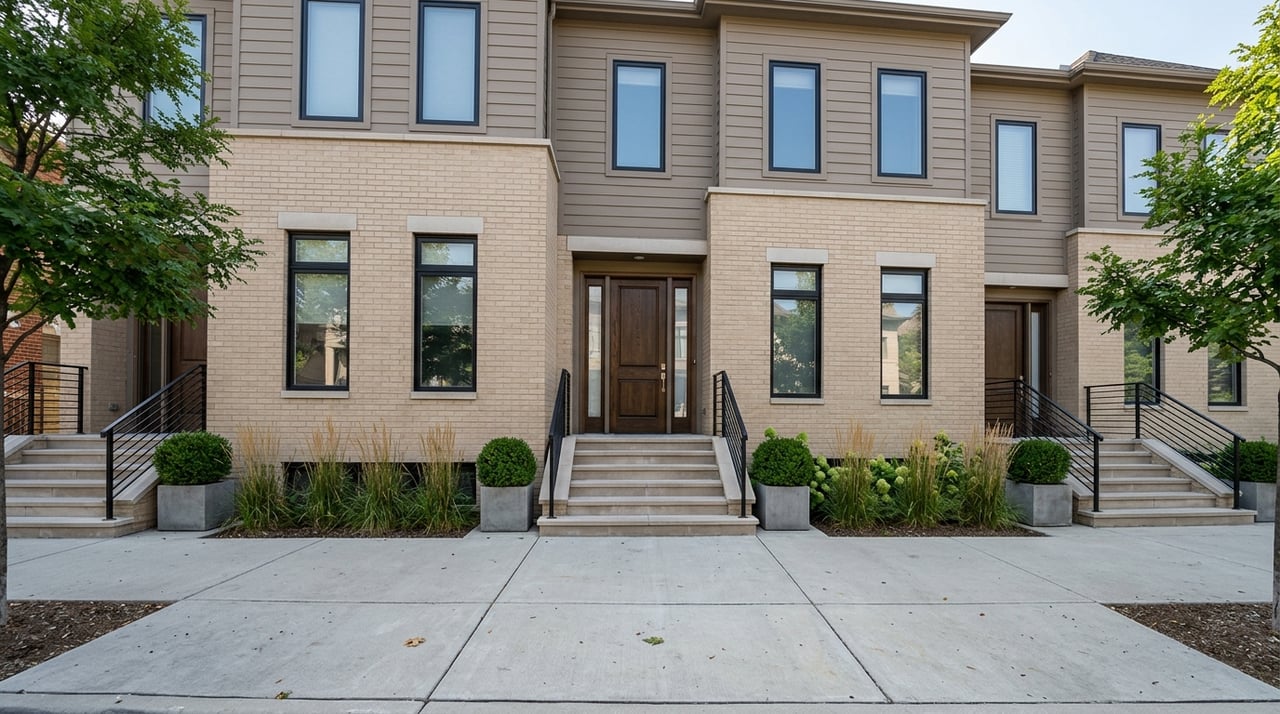

Buying a vintage condo in Wicker Park can feel like falling in love fast. You see the brick facade, tall windows, original details, and lively streets nearby, and it is easy to picture yourself there. But confidence comes from more than charm alone. If you understand the building, the association, and the paperwork behind the unit, you can move forward with far more clarity. Let’s dive in.
Why Wicker Park Vintage Condos Stand Out
Wicker Park offers a mix that is hard to duplicate in Chicago. The Wicker Park District is a designated Chicago Landmark district, and the city describes its buildings as dating from 1870 to 1930. That history helps explain why so many buyers are drawn to the neighborhood’s vintage architecture and preserved streetscape.
Just as important, Wicker Park offers more than pretty buildings. The area is known for its local shops, coffee houses, galleries, music venues, and access to the 606 trail. CTA Blue Line service runs 24 hours between O’Hare and Forest Park through downtown, which adds everyday convenience for buyers who value transit access and neighborhood energy.
For many buyers, that combination is the real appeal. In Wicker Park, a vintage condo is often about character, location, and lifestyle, not just square footage or new finishes.
Focus on the Building First
When you buy a vintage condo, you are not only buying the unit. You are also buying into the condition of the building and the strength of its shared systems. That is why physical due diligence matters so much in a vintage walk-up or older conversion.
A standard home inspection is useful for checking major systems like heating, cooling, and electrical. In a vintage condo, your review should also extend to the building envelope and common components. That includes the roof, masonry, tuckpointing, plumbing stacks, heating equipment, electrical service, windows, insulation, moisture issues, and sound transfer between units.
This matters because older buildings can carry expensive future needs even when a unit looks beautifully updated inside. Fresh finishes in a kitchen or bath do not tell you whether the roof is near the end of its life or whether the masonry has been deferred for years.
Key Systems to Review
Before you feel fully comfortable, make sure you understand the condition and history of:
- Roof
- Masonry and tuckpointing
- Plumbing stacks
- Boiler or other heating equipment
- Electrical service
- Windows
- Insulation
- Moisture intrusion areas
- Shared structural components
If the building has recurring leaks, drafts, or unresolved water issues, those details can affect both your comfort and your future costs. In many vintage condo purchases, these practical questions matter more than cosmetic upgrades.
Ask Smart Questions About Repairs
The strongest buyers in Wicker Park tend to ask direct questions early. You want to know what has already been repaired, what still needs work, and whether the association has planned for upcoming projects.
A few practical questions can help you uncover a lot:
- What major systems were replaced, and when?
- Are there recurring leaks, masonry issues, or water-infiltration problems?
- Have the roof, windows, plumbing, boiler, or electrical been budgeted for replacement?
- Are there open permits, unresolved corrections, or code violations in city records?
- If the building is in a landmark district, will visible exterior work need review before it can move forward?
These questions help separate preserved character from deferred maintenance. That distinction is one of the biggest confidence builders when you are evaluating a vintage condo.
Converted Buildings Need Extra Attention
Some Wicker Park condos were created through conversions, and those purchases call for an even closer look. Under Illinois law, a conversion seller must provide an engineer’s report covering structural components and major utility installations. That report should include approximate construction and installation dates, major repairs, expected useful life, and replacement cost.
For a buyer, that conversion file can be one of the most valuable documents in the deal. It may reveal whether the building’s exterior charm is matched by solid infrastructure, or whether major capital work may still be ahead.
If you are considering a converted property, do not treat the engineer’s report as routine paperwork. Read it carefully and use it to guide your inspection questions and document review.
Review Condo Finances Carefully
The monthly payment on a condo is never just about the mortgage. Association dues, reserve health, and the possibility of special assessments all affect your real carrying cost.
Illinois law requires condominium boards to prepare and distribute a detailed annual budget and provide for reasonable reserves for capital expenditures and deferred maintenance. In planning reserves, boards are supposed to consider repair and replacement cost, useful life, anticipated return on association funds, the impact of assessment increases, and the ability to obtain financing or refinancing.
That framework matters because it gives you a roadmap for what to review. A well-run association does not eliminate every future expense, but it should show signs of planning rather than reacting.
Financial Documents to Request
Ask for and review:
- Current annual budget
- Current reserve balance
- History of assessment increases
- Any planned special assessment
- Financial statements
- Insurance coverage summary
- Information on pending suits or judgments
- Anticipated capital expenditures in the current or next two fiscal years
Illinois resale disclosures require the association to provide much of this information. The association must furnish that response within 10 business days of a written request, and the seller may charge up to $375, plus an additional $100 for rush service within 72 hours.
Reserve Studies vs. Reserve Requirements
This is an important distinction for Illinois buyers. Illinois already requires reasonable reserves, but that does not mean every condo association must already have a formal statutory reserve study.
That difference can confuse buyers, especially in older buildings. If an association does not have a reserve study, that does not automatically mean the building is poorly run. It does mean you should look even more closely at the budget, reserve balance, capital planning, and history of repairs.
Financial Red Flags to Watch
Keep an eye out for:
- Low reserves with no clear funding plan
- Frequent special assessments tied to recurring issues
- Missing or delayed financial statements
- Litigation that may affect finances or insurance
- Insurance coverage that may not match replacement needs
None of these items automatically kills a deal. But each one deserves a closer look before you move forward.
Understand the Transaction Timeline
In condo purchases, paperwork timing matters more than many buyers expect. In Illinois, the required condo documents are not just background reading. They can affect your decision-making window and your contract strategy.
For resales, the association’s response package is often the most important set of documents in the transaction. That is why it makes sense to request those materials early, rather than waiting until the last minute.
If you wait too long, you can lose valuable time for review, follow-up questions, and negotiation. In a vintage building, those extra days matter because your confidence often depends on what the documents reveal.
Check Chicago Permit and Inspection Records
City records can help you verify whether major work appears to have been permitted and whether there are open corrections tied to the property. Chicago does provide public building permit and inspection information, which can be a helpful starting point.
Still, those records have limits. The city notes that the permit-status site may show only limited information for recent applications by address, older permits may not appear, and the absence of alleged violations online does not mean a property is fully compliant.
That means city records should support your due diligence, not replace it. Use them to ask better questions, not as your only source of reassurance.
Landmark Rules Can Affect Future Plans
Because the Wicker Park District is a Chicago Landmark district, some exterior changes may face additional review. Current city guidance says the Commission on Chicago Landmarks reviews permit applications affecting landmarks and landmark districts, especially for exterior elevations visible from the public right-of-way.
This is especially important if you hope to change windows, alter masonry, add rooftop elements, or update visible exterior features later. Buyers are sometimes so focused on the current unit that they forget to ask what future improvement options may look like.
If preserving the vintage look is part of the appeal, this review process may feel like a benefit. If you expect broad exterior flexibility, it is worth understanding those rules before you buy.
Financing a Vintage Condo Takes Planning
Financing can add another layer to a Wicker Park condo purchase. Some loan programs and condo-project reviews may call for association budgets, financial statements, insurance information, flood documentation, and support for any loans or special assessments.
For certain newly converted non-gut rehabilitation projects, project review may also call for a reserve study and proof that rehabilitation work is complete. That means financing is not only about your personal approval. It can also depend on the building’s documentation and readiness.
This is another reason early review matters. If the association’s records are incomplete or difficult to obtain, your financing path can become more complicated.
A Simple Confidence Checklist
If you want to buy a vintage Wicker Park condo with more confidence, focus on these five areas:
- Building condition: Understand the roof, masonry, plumbing, heating, electrical, windows, and moisture history.
- Repair history: Learn what was fixed, when it was fixed, and what still may be coming.
- Association finances: Review reserves, assessments, budget discipline, and insurance.
- Documents and disclosures: Request the condo package early and read it carefully.
- Future limitations: Confirm whether landmark review could affect visible exterior changes.
In Wicker Park, confidence usually comes from documenting the building, not just admiring it. The right questions can help you protect your budget, avoid surprises, and buy a home that delivers both character and peace of mind.
If you are considering a vintage condo in Wicker Park or weighing how one building compares with another, working with a calm, detail-oriented advisor can make the process much clearer. For thoughtful guidance on Chicago condo purchases, connect with Isabella Webb.
FAQs
What should you inspect when buying a vintage condo in Wicker Park?
- You should look beyond the unit and review shared systems like the roof, masonry, plumbing stacks, heating equipment, electrical service, windows, insulation, moisture intrusion, and structural components.
What condo documents matter most for a Wicker Park resale purchase?
- The association’s resale response package is especially important because it can include reserve-fund status, unpaid assessments, anticipated capital expenditures, financial condition, insurance coverage, and pending suits or judgments.
Why do condo reserves matter when buying in Wicker Park?
- Reserves help show whether the association is planning for capital repairs and deferred maintenance, which can affect the risk of future special assessments and your long-term carrying costs.
Do all Illinois condo associations have to complete a reserve study?
- No. Illinois requires reasonable reserves, but that is not the same as a blanket statutory requirement that every condo association already have a formal reserve study.
How can landmark rules affect a Wicker Park vintage condo purchase?
- Because Wicker Park includes a Chicago Landmark district, visible exterior work such as window changes, masonry work, or rooftop additions may require review as part of the normal permit process.
Why are city permit records useful when buying a condo in Chicago?
- Permit and inspection records can help you confirm whether major work appears to have been permitted and whether open corrections exist, but they should be treated as a starting point rather than a final compliance check.